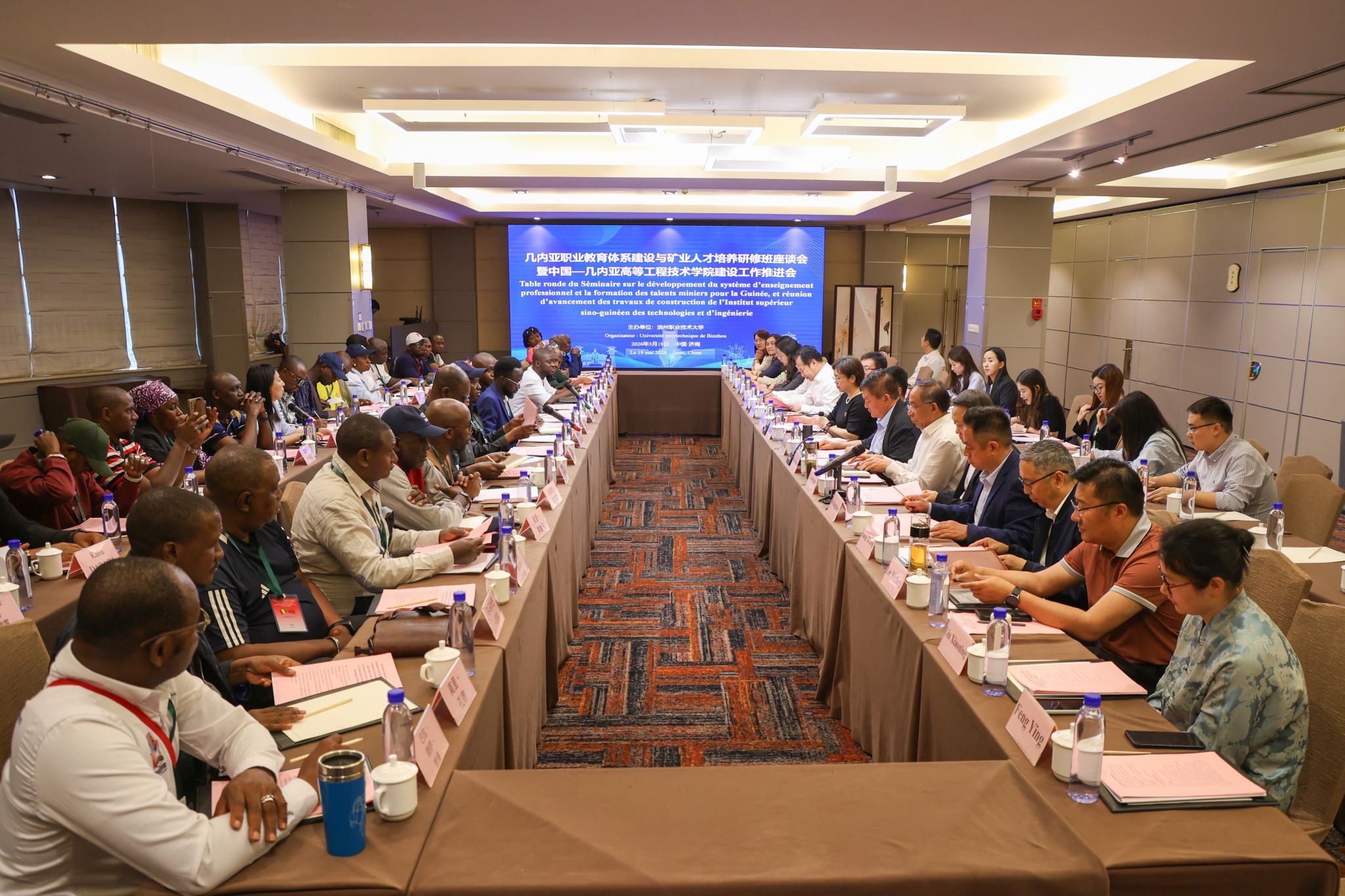
To advance the high-quality development of the Belt and Road Initiative and deepen China-Africa vocational education cooperation, a seminar on vocational education system development and mining talent cultivation in Guinea, alongside a promotion meeting on the construction of the China-Guinea Higher Institute of Engineering and Technology, was held in Jinan on May 19.
Representatives from the Academy for International Business Officials (AIBO) of the Ministry of Commerce, the Nonferrous Metals Talent Center, the Department of Education of Shandong Province, the Shandong Provincial Vocational and Technical Education Society, and seven universities including Binzhou Polytechnic University, Shandong Aluminum Vocational College, Laiwu Vocational and Technical College, Jining Polytechnic, Shandong Vocational University of Foreign Affairs, Jinan Vocational College, and Qingdao Technical College, together with Guinean delegates, attended the meeting. Liu Jinyi, Party Secretary of Binzhou Polytechnic University, chaired the meeting, and Shen Baozhong, President of the university, was also present.
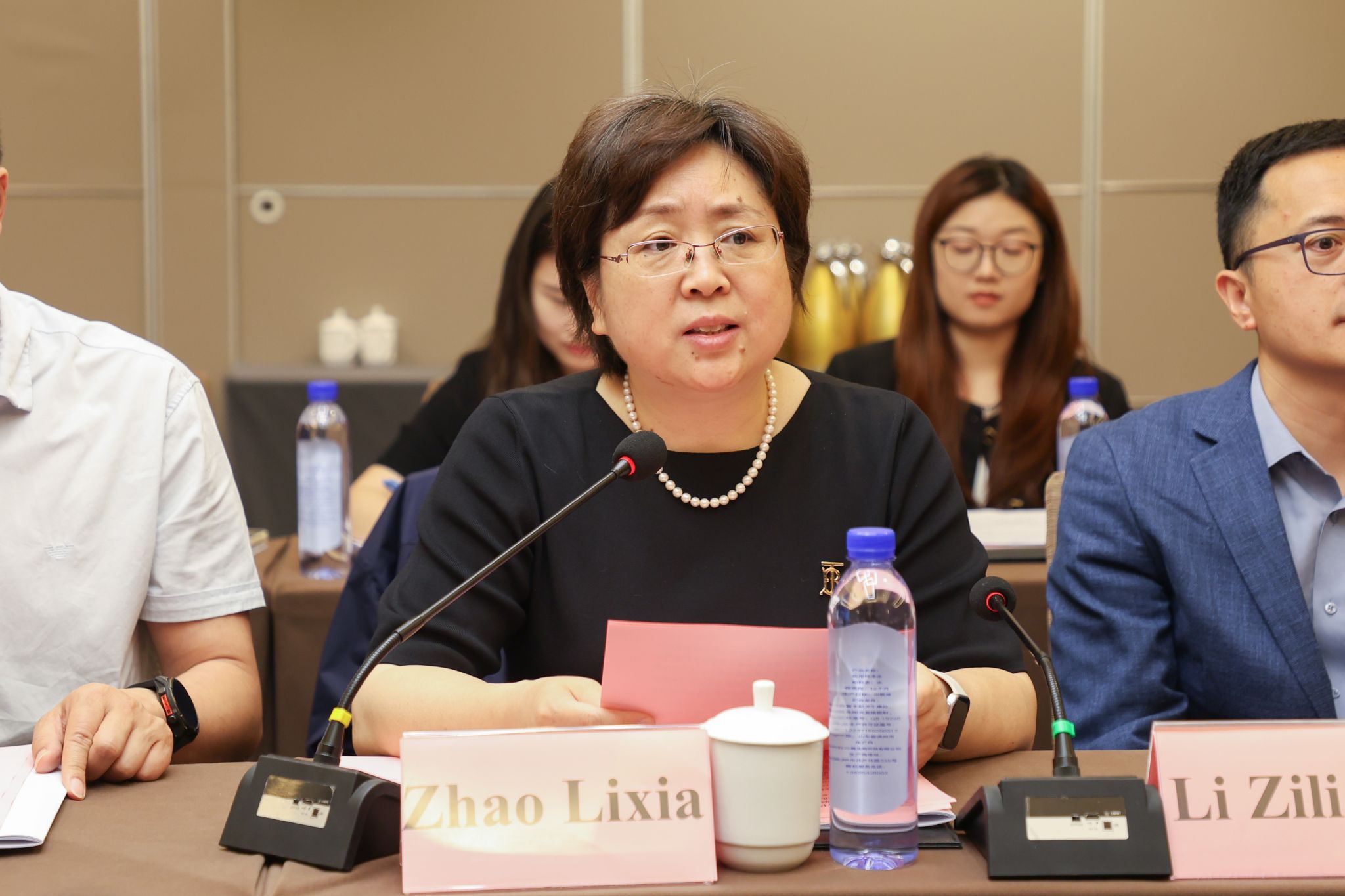
Zhao Lixia, Assistant to the Director and Head of the Education and Training Division of the Nonferrous Metals Talent Center, delivered a speech warmly welcoming the Guinean delegation. She stated that the Center has always prioritized the development of local talent for overseas Chinese-funded enterprises as a key focus, and has actively promoted deep collaboration between Chinese vocational institutions and "going global" enterprises, establishing a vocational education cooperation network covering multiple countries. Looking ahead, the Center will work with all parties to build the China-Guinea Higher Institute of Engineering and Technology into a regional leader in engineering education and a model of integration between international industrial capacity cooperation and talent cultivation.
Guo Qingzhi, Deputy Director of the Vocational Education Division of the Department of Education of Shandong Province, stated that Shandong, as a major province of vocational education in China, is willing to work with Guinea under the principles of joint contribution, shared benefits, and win-win cooperation. He expressed readiness to deepen collaboration in areas such as program development, curriculum design, teacher training, and practical training bases, aiming to cultivate local mining talent that is“retainable and employable”for Guinea. At the same time, he noted that such cooperation will expand the development space for vocational colleges in Shandong, provide stable human resource support for enterprises in both countries, and set a benchmark project for China-Africa vocational education cooperation.
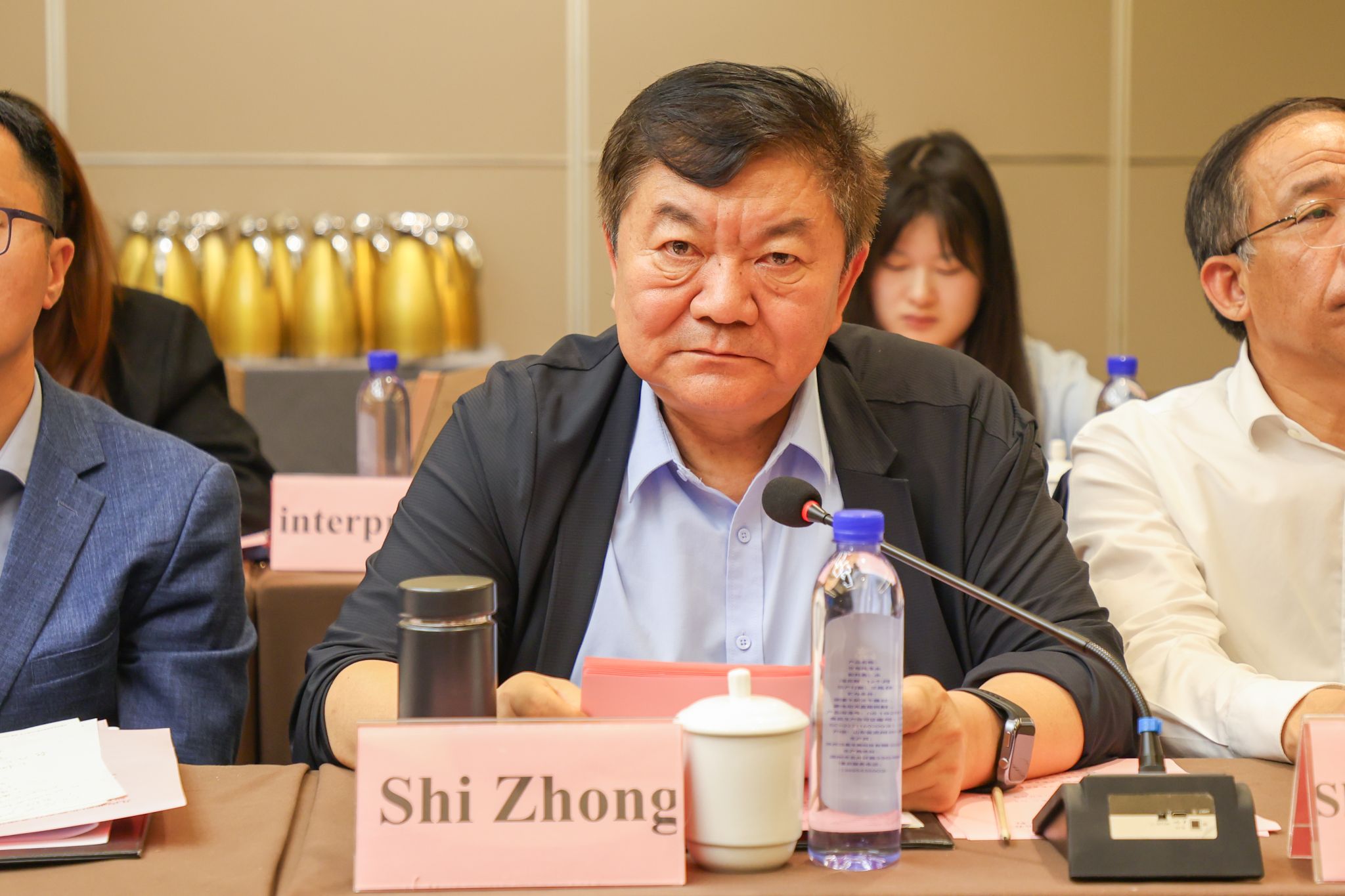
Shi Zhong, President of the Shandong Provincial Vocational and Technical Education Society, introduced the current development status and internationalization achievements of vocational education in Shandong Province. He stated that vocational education must embrace the world with a more open approach. The Society will continue to play its bridging role, promoting more practical, in-depth, and sustainable cooperation among institutions, industries, and projects.
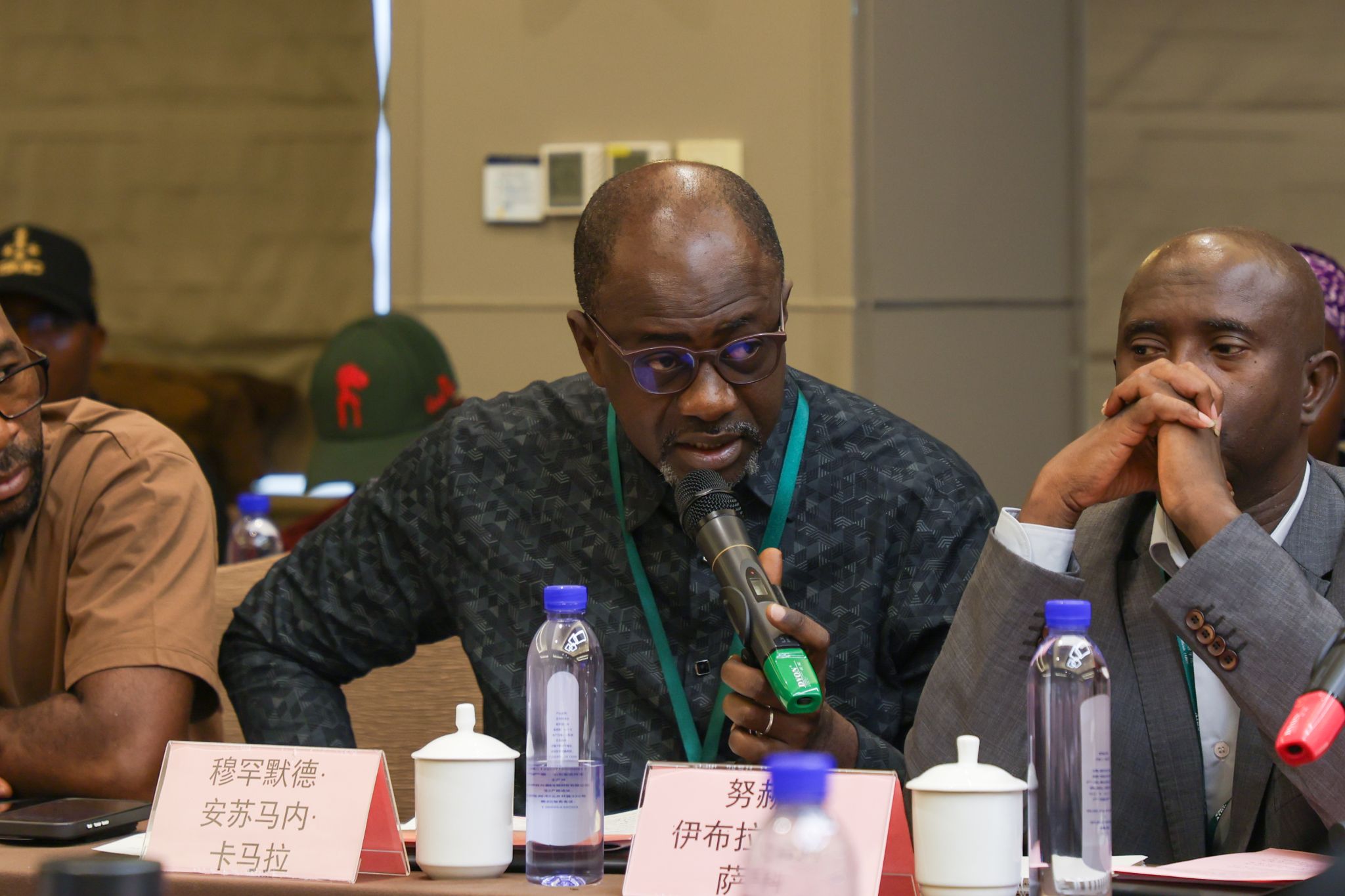
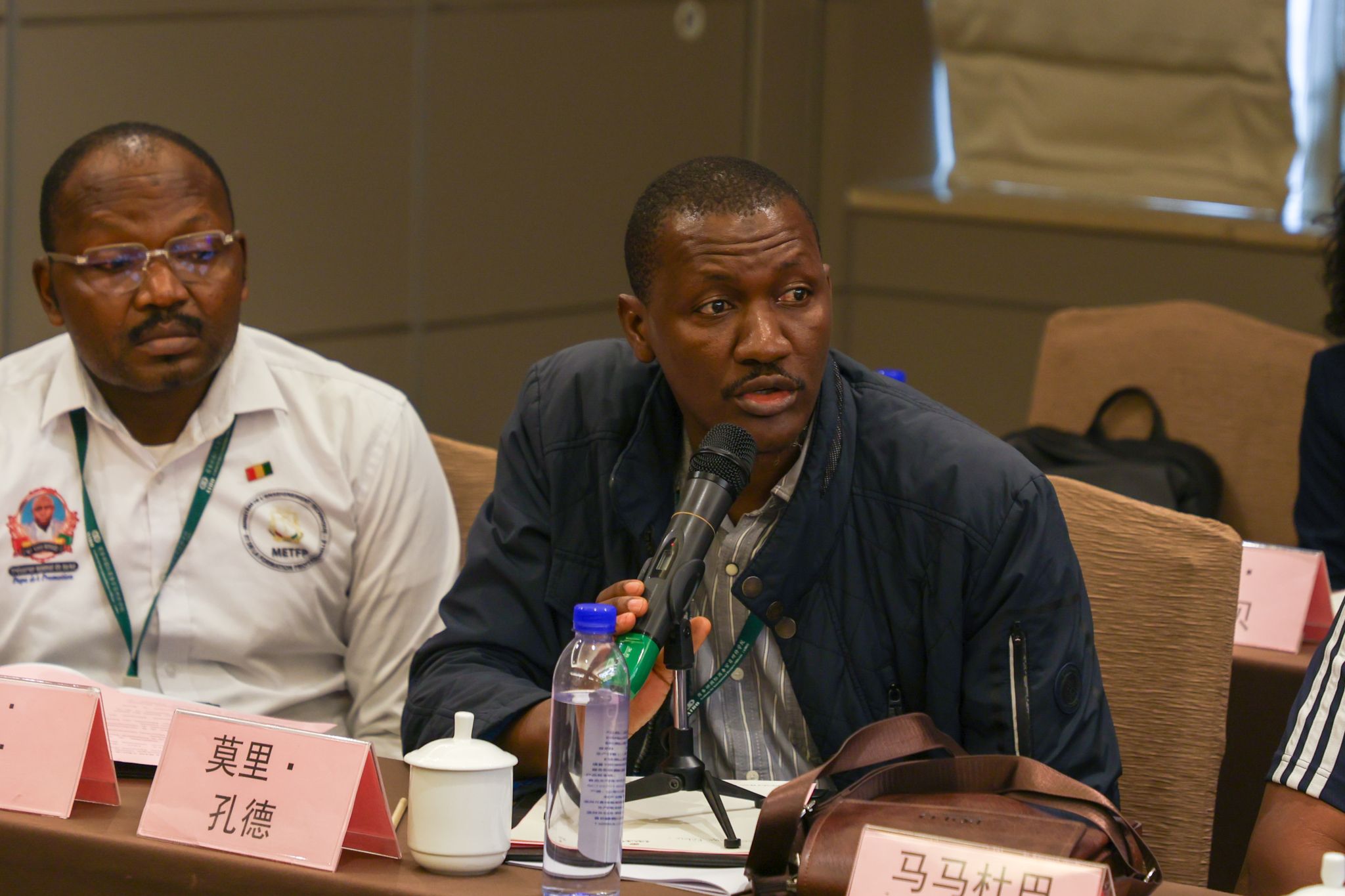
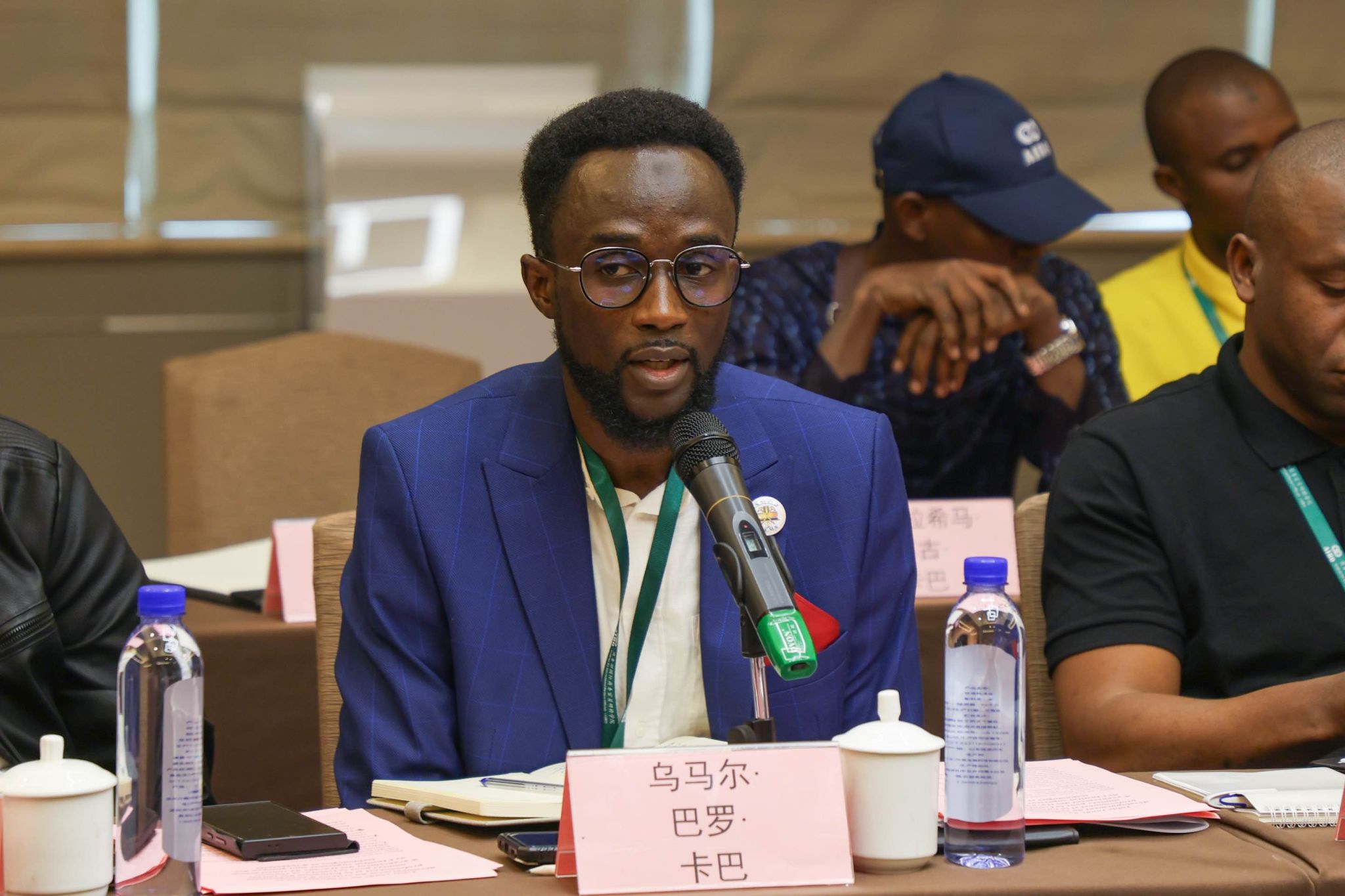
At the discussion and exchange session, representatives from both sides engaged in in-depth discussions on key issues regarding the construction of the Institute, including program offerings, faculty arrangements, enrollment, and operational management. Through these exchanges, they further consolidated consensus and clarified the direction for future advancement.The Guinean delegates expressed sincere gratitude for the warm hospitality extended by the Chinese side. They noted that Guinea possesses the world's largest bauxite reserves and is in urgent need of cultivating a large number of technical and skilled talents. They look forward to deepening cooperation with the Chinese side to bring the Institute into operation and deliver tangible results as soon as possible.
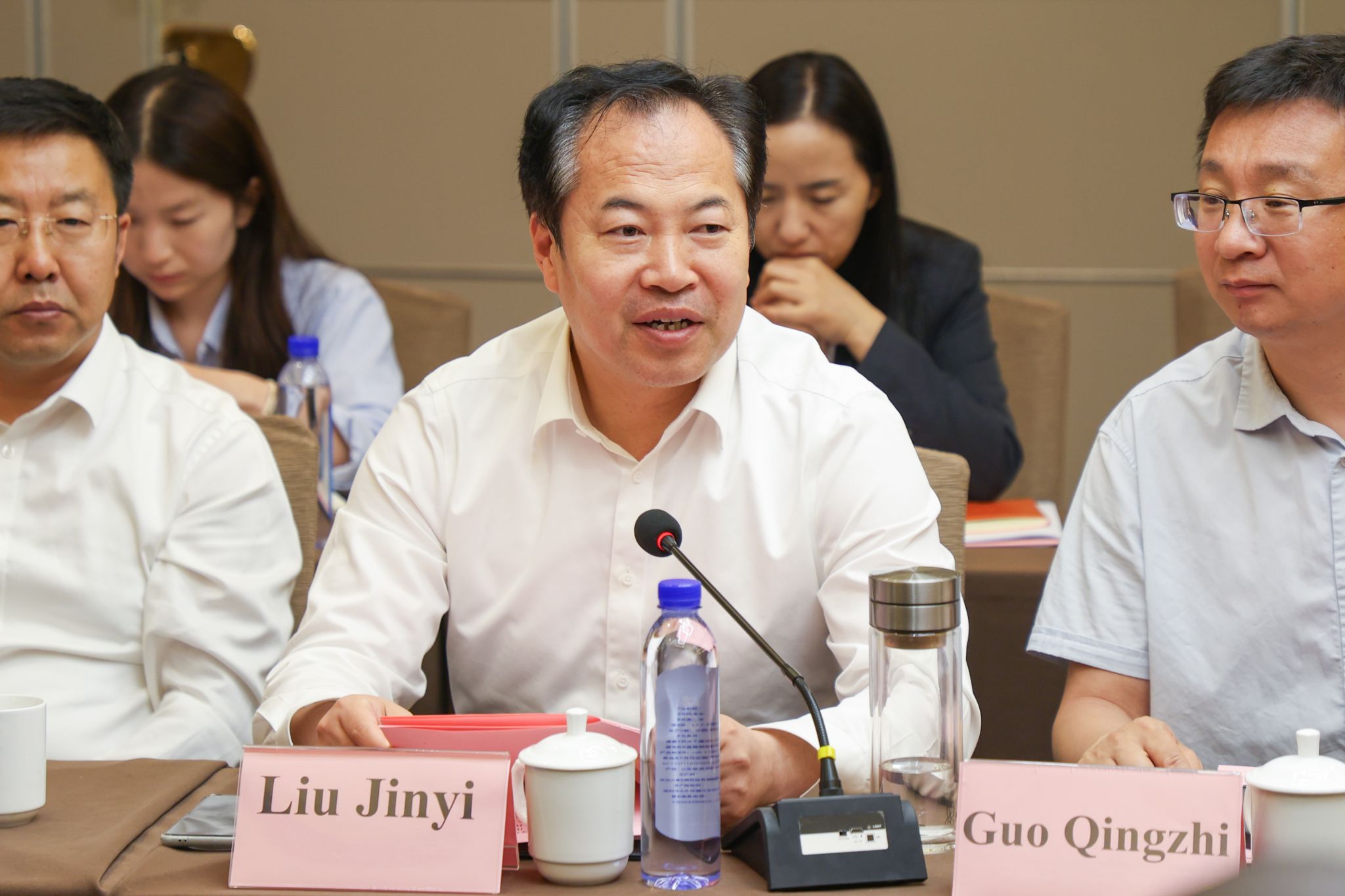
In his concluding remarks, Liu Jinyi noted that the prospects for China-Guinea vocational education cooperation are broad, and the construction of the Guinea Higher Institute of Engineering and Technology is of great significance. He emphasized that this meeting should serve as a new starting point, with concerted efforts focused on three key tasks: first, establish mechanisms and smooth communication channels by setting up a regular coordination mechanism to ensure that progress is consistently followed up and tasks are properly handled; second, focus on key areas and promote implementation by accelerating specific matters such as program offerings, faculty arrangements, and enrollment plans, so as to turn the blueprint into reality as soon as possible; third, pool synergies and pursue tangible outcomes by fully leveraging the roles of participating institutions and enterprises to achieve a precise alignment and concerted synergy between talent cultivation and industrial needs.
The convening of this meeting marks a solid step forward in the construction of the China-Guinea Higher Institute of Engineering and Technology. It represents both an active exploration by Shandong's vocational education to "go global" at a high level and a practical action in building a China-Africa community with a shared future. As the leading institution, Binzhou Polytechnic University will take more concrete actions to expand the coverage of Chinese vocational education standards across Africa and other Belt and Road countries, deepen China-Africa vocational education cooperation, and contribute its strength to the building of a China-Africa community with a shared future.

 search content